

- Gifts for Gymnasts
- Mats
- Gym Equipment
- Ninja Training
- Cheer & Dance
- Martial Arts & Fitness
- Protective Padding
- Demos & Specials
 Loading... Please wait...
Categories
Our Newsletter
- Home
- Best Home Gymnastics Equipment to Improve Strength, Flexibility & Skills
Best Home Gymnastics Equipment to Improve Strength, Flexibility & Skills
Overview
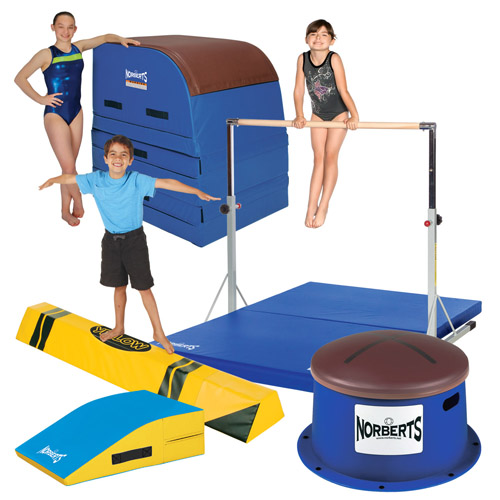
Home gymnastics training is most effective with the right equipment. Essential items include gymnastics mats for safety and tumbling, balance beams for coordination and core strength, bars for upper-body development, tumble/trak surfaces for safe skill practice, and pads or incline mats for progressions. Additional tools like pommel trainers and mounting blocks enhance conditioning and accessibility. Choosing durable, home-friendly equipment allows athletes of all levels to safely practice skills, build strength, and improve flexibility in a convenient, adaptable space.
This guide explores essential home-friendly tools, explains common gymnasium equipment names, and highlights how the right choices can elevate training safely and effectively.
Key Takeaways
-
Prioritize Gymnastics Mats: Essential for safety, shock absorption, and versatile use in tumbling, stretching, and skill drills, choose foldable, non-slip designs for home storage.
-
Build Balance with Home Beams: Low-profile, adjustable beams enhance core strength, posture, and precision, making them ideal for beginners with padded options.
-
Strengthen Upper Body on Gymnastics Bars: Adjustable-height bars with stable bases develop grip, shoulders, and skills like casts, always pair with mats underneath.
-
Boost Tumbling on Tumble Trak: Rebound surfaces reduce joint stress, improve takeoff, and enable safe repetition for gymnastics, cheer, and conditioning.
-
Use Pads for Skill Progressions: Incline mats, cushions, and blocks support handsprings, flips, and body positioning in small spaces, allowing for effective skill development.
-
Add Pommel Trainers & Mounting Blocks: Build shoulder endurance and accessibility; double as core tools for all athletes.
Why Home Gymnastics Training Matters
Consistent practice is one of the biggest drivers of progress in gymnastics. While structured gym sessions are invaluable, at-home training reinforces muscle memory, improves mobility, and allows athletes to focus on fundamentals without distractions. Home environments are ideal for conditioning, balance work, flexibility training, and controlled skill repetition.
The key is choosing gymnastics training equipment that supports proper technique while prioritizing safety and durability.
Essential Categories of Home Gymnastics Equipment
When planning a home setup, it helps to understand the main categories of equipment and how each supports different aspects of performance.
Gymnastics Mats: The Foundation of Safety
A quality gymnastics mat for home use is the single most important investment. Mats provide shock absorption, reduce injury risk, and create a stable surface for drills, landings, and stretching.
For home training, look for:
-
Firm yet cushioned foam cores
-
Non-slip vinyl covers
-
Foldable or panel designs for easy storage
Mats are versatile enough for tumbling, conditioning circuits, flexibility work, and beginner skill progressions. Pairing multiple mats can also create longer tumbling lanes or larger practice zones.
Balance Beams for Control and Confidence
A gymnastics beam for home training helps develop balance, posture, and precision—skills that translate across all disciplines. Home beams are typically lower to the ground, making them safer while still challenging.
Options range from
-
Floor beams for beginners
-
Raised beams with adjustable heights
-
Foam or padded beams for added confidence
Regular beam practice improves core engagement, foot placement, and mental focus, even in limited spaces.
Home Gymnastics Bars for Upper-Body Strength
Home gymnastics bars are excellent for building grip strength, shoulder stability, and overall upper-body power. They also support skill progression for swings, pullovers, casts, and holds.
When selecting bars, consider:
-
Adjustable height settings
-
Solid steel construction
-
Wide, stable bases
Bars encourage controlled movement and strength development, especially when combined with proper mat coverage underneath.
Tumble Trak and Tumbling Surfaces
Tumble Trak systems and air-style tumbling tracks are popular for home use because they provide rebound while reducing impact. These surfaces help athletes practice tumbling skills with better form and confidence.
Benefits include:
-
Enhanced takeoff mechanics
-
Reduced joint stress
-
Safer repetition of skills
They’re ideal for cheer, gymnastics, and general athletic conditioning.
Gymnastics Pads for Skill Progressions
Gymnastics pads for home use add versatility to any setup. These include skill cushions, incline mats, and landing blocks that assist with drills and progressions.
Pads are commonly used for:
-
Teaching proper body positions
-
Supporting handsprings and flips
-
Reducing fear during new skill attempts
Their modular nature makes them especially valuable in small spaces.
Additional Equipment That Enhances Home Training
Beyond the basics, several other tools can expand training possibilities and mimic a professional environment.
Pommel Horse Trainers
A pommel horse or mushroom trainer helps build shoulder strength, rhythm, and coordination. While traditionally associated with men’s gymnastics, pommel-style trainers also support core conditioning and upper-body endurance for athletes of all levels.
Mounting Blocks
Mounting blocks improve accessibility and safety by helping athletes reach bars, beams, or padded platforms. They also double as conditioning tools for step-ups and strength drills.
Understanding Common Gymnasium Equipment Names
Knowing gymnasium equipment names makes it easier to plan a balanced setup. Common examples include
-
Balance beams
-
Uneven and single bars
-
Tumbling tracks
-
Skill cushions and landing mats
-
Pommel horses
-
Mounting blocks
Each piece serves a specific purpose, and combining them thoughtfully creates a well-rounded training environment.
Choosing the Best Gymnastics Equipment for Home
Selecting the best gymnastics equipment for home use depends on the athlete’s age, skill level, and goals. Beginners benefit from lower-profile, heavily padded items, while more advanced athletes may prefer adjustable or competition-style designs.
Key factors to evaluate:
-
Safety certifications and build quality
-
Space requirements
-
Long-term durability
-
Adaptability as a skill improves
Investing in reliable products ensures consistent training without frequent replacements.
How Home Equipment Improves Strength, Flexibility, and Skills
The right gymnastics equipment supports all three pillars of athletic development:
-
Strength: Bars, beams, and conditioning blocks build muscular endurance and control.
-
Flexibility: Mats and padded surfaces allow for deeper stretching and mobility work.
-
Skills: Beams, Tumbl Trak systems, and pads support safe skill repetition and progression.
When used consistently, these tools reinforce proper technique and confidence.
Building a Smart, Safe Home Gymnastics Space
You don’t need a full gym to train effectively. A thoughtful combination of mats, beams, bars, and pads can transform a garage, basement, or spare room into a functional practice area. Start with foundational pieces and expand as needs grow.
The goal is to create an environment that encourages movement, discipline, and enjoyment—without compromising safety.
Quality Equipment Makes the Difference
Norbert’s Athletic Products, Inc. has long been trusted by schools, gyms, and training facilities for designing durable, performance-driven athletic solutions. The same commitment to safety, craftsmanship, and athlete development carries through their home-friendly offerings, making it easier for families and athletes to train with confidence.
Ready to Build Your Home Gymnastics Setup?
Investing in the right tools today can support stronger skills tomorrow. Explore professional-grade options designed for safety, durability, and real athletic progress—and start building a home training space that grows with your goals.
Frequently Asked Questions
Is home gymnastics training really effective for improving strength and skills?
Yes. Home gymnastics training reinforces muscle memory, improves flexibility, and builds strength when practiced consistently. While it doesn’t replace formal coaching entirely, it allows athletes to focus on fundamentals, conditioning, and skill repetition in a safe, controlled environment, supporting overall skill development and confidence.
What is the most important piece of gymnastics equipment to buy first for home use?
A high-quality gymnastics mat is the most essential first purchase. Mats provide shock absorption, reduce injury risk, and create a safe surface for conditioning, tumbling, stretching, and skill practice. Investing in a durable, non-slip mat ensures safety while enabling a wide range of exercises and progressions at home.
Is it safe for kids to practice gymnastics at home without a coach present?
Home practice can be safe for kids if they use appropriate equipment, follow clear rules, and are supervised by a responsible adult. Avoid advanced skills without guidance, ensure mats and padding are in place, and focus on fundamentals to minimize the risk of injuries.
What safety features should I look for in home gymnastics equipment?
Look for equipment with sturdy construction, non-slip surfaces, and adequate padding. Mats should have firm yet cushioned cores, beams should be low or padded, and bars should have stable bases. Safety certifications, foldable designs, and modular setups also enhance protection during training and skill progression.
How long does home gymnastics equipment typically last?
With proper care, quality home gymnastics equipment can last 5–10 years or more. Longevity depends on material quality, frequency of use, and maintenance. Regular inspection for wear, cleaning vinyl surfaces, and storing mats and bars properly can extend the equipment’s lifespan.
What type of gymnastics mat is best for home use?
For home use, foldable or panel mats with firm yet cushioned foam cores and non-slip vinyl covers are ideal. They provide safety, versatility, and easy storage. Thickness can be adjusted depending on activities, making them suitable for tumbling, conditioning, and flexibility exercises.
How thick should a gymnastics mat be?
Home gymnastics mats should generally be 1.5–2 inches thick for basic practice. Thicker mats or layered setups are recommended for high-impact skills like flips and landings, offering extra shock absorption and reducing injury risk.
Are home gymnastics bars strong enough for serious training?
Yes, high-quality home gymnastics bars are designed with solid steel construction and wide, stable bases to support controlled strength and skill work. While they may not fully replicate professional competition bars, they are sufficient for upper-body conditioning, swings, pullovers, and skill progression.
Which home gymnastics equipment helps most with strength training?
Bars, balance beams, conditioning blocks, and pommel trainers are most effective for strength development. They target core stability, upper-body power, and muscular endurance, complementing floor exercises and mats to provide a comprehensive home training program.
Is a balance beam worth buying for home?
Yes. Even a low or padded home balance beam builds balance, coordination, posture, and core strength. Regular practice enhances confidence and precision in movements, making it a valuable addition to a home gymnastics setup for beginners and advanced athletes alike.
General |
Memberships
|
Connect


|
Join Our Email List!
|
All prices are in USD. Copyright 2026 Norbert's Athletic Products, Inc..
WARNING: These items are not toys. Activities involving motion and height create inherent risk of serious injury including paralysis or death. These products are intended for use by properly trained participants under qualified supervision, and the user of this product therefor assumes this risk. Always know your physical limitations and limits of your equipment. Avoid landing on head or neck as serious injuries may result. Always check for proper mat positioning, equipment stability, and inspect hardware for wear and damage before and after each use. Do not use if signs of damage or excessive wear are present. Norbert's Athletic Products, Inc shall not be liable for personal injury or property damage incurred through the use of purchased items.